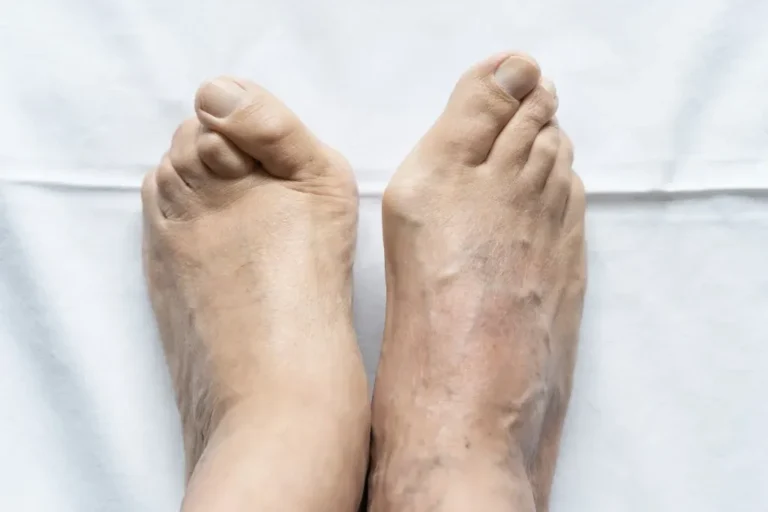
Getting Back in the Game: 4 Best Practices for Recovering from an Ankle Sprain
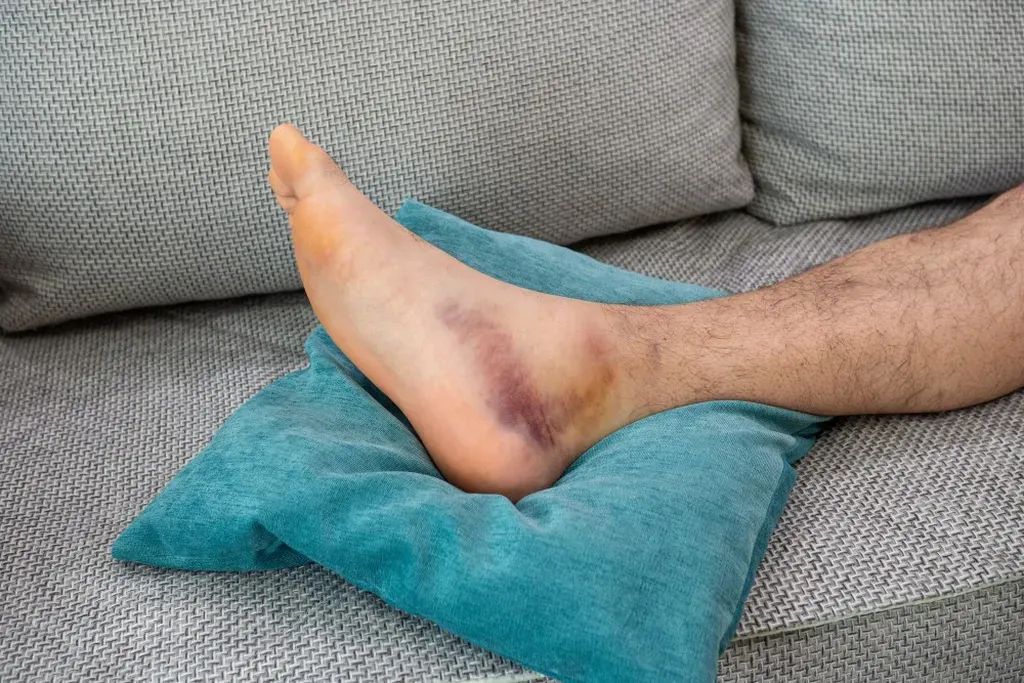
Getting Back in the Game: 4 Best Practices for Recovering from an Ankle Sprain
Ankle sprains aren’t just a common sports injury, they’re a common injury period. The two million acute ankle sprains that occur each year in the United States are spread out among people of all ages and activity levels.
Whether you’re a seasoned athlete or a confessed couch potato, recovering from a sprained ankle is important and you want to get through the process as quickly and strongly as possible.
To help, the team here at Advanced Ankle & Foot, led by Dr. John Schoppe, pulled together a few strategies to keep in mind as you navigate your recovery from a sprained ankle.
1. Know what you’re up against
When you sprain an ankle, it means that you’ve stretched or torn ligaments that attach bone to bone. In 90% of sprained ankles, the injury is an inversion one in which your ankle rolls inward.
There are three grades of ankle sprains, including:
- Grade I — the ligaments are stretched, not torn, and you experienced some pain and swelling.
- Grade II — there’s a partial tear in the ligament and you experience more pain, swelling, and tenderness. Weight bearing can be difficult.
- Grade III — there’s a full tear in the ligament that leads to considerable pain, swelling, and bruising and you’re unable to bear weight on your ankle.
One of the keys to your recovery is to know exactly what you’re up against so you should come see us so that we can assess the damage in your ankle and grade your sprain. This knowledge will very much dictate your recovery timeline so it’s important to know from the start.
2. RICE is key to start
During the first 24-48 hours, we want you to be vigilant about the RICE method, which stands for:
- Rest
- Ice
- Compression
- Elevation
So, get off your ankle and be sure to ice it for at least 15 minutes, 3-4 times per day. When you’re not icing it, keep it wrapped and elevated. Each of these steps can go a long way toward managing pain and swelling.
3. Rehabbing your ankle
With most sprained ankles, functional recovery is best, which means that instead of immobilizing the ankle, we prefer that you get going right away on strengthening exercises.
In most cases, you can start these exercises within 2-3 days after the injury and we can recommend braces, splints, or wraps to help support your ankle while you rehab.
As for which exercises, rest assured that we will supply you with a complete list that clearly outlines each exercise. And it’s important that you keep up with them every day if you want to regain mobility.
4. Listen to your body
While we emphasize moving during your recovery from a sprained ankle, we also want you to listen to your body. You can push through some discomfort to do your exercises, but if that discomfort turns the corner into pain, please stop and give your ankle a rest.
Pushing too hard and too soon can set you up for a longer recovery and even chronic ankle instability, so find the right balance between pushing and stopping.
Rest assured, we’re here to help during your recovery from a sprained ankle and we can monitor your progress closely and make adjustments when necessary.
For expert care of your sprained ankle, we invite you to contact our office in Columbus, Georgia, to get your recovery on track.